
Interest-free credit is one of the few genuinely useful financial products available to ordinary consumers. Spreading the cost of something you were going to buy anyway, at no cost, is a real benefit. It is also a product with a small number of clauses that can convert it into an expensive one, and those clauses are not hidden — they are simply in a part of the agreement nobody reads.
This guide is about four of them. Reading those four lines takes about two minutes and is the difference between a useful arrangement and an unpleasant surprise. Nothing here is financial advice; it is a description of how these agreements are structured.
Clause one: when the period actually starts
The interest-free window is usually described in months, and the natural assumption is that it starts when you make the purchase. Frequently it starts from the date the account is opened, which can be earlier, and occasionally from the first statement date.
The difference is rarely more than a few weeks and it lands at exactly the wrong moment — at the end, when you are relying on having until a particular date. Find the start date in the agreement and calculate the end date yourself rather than counting months from the purchase.
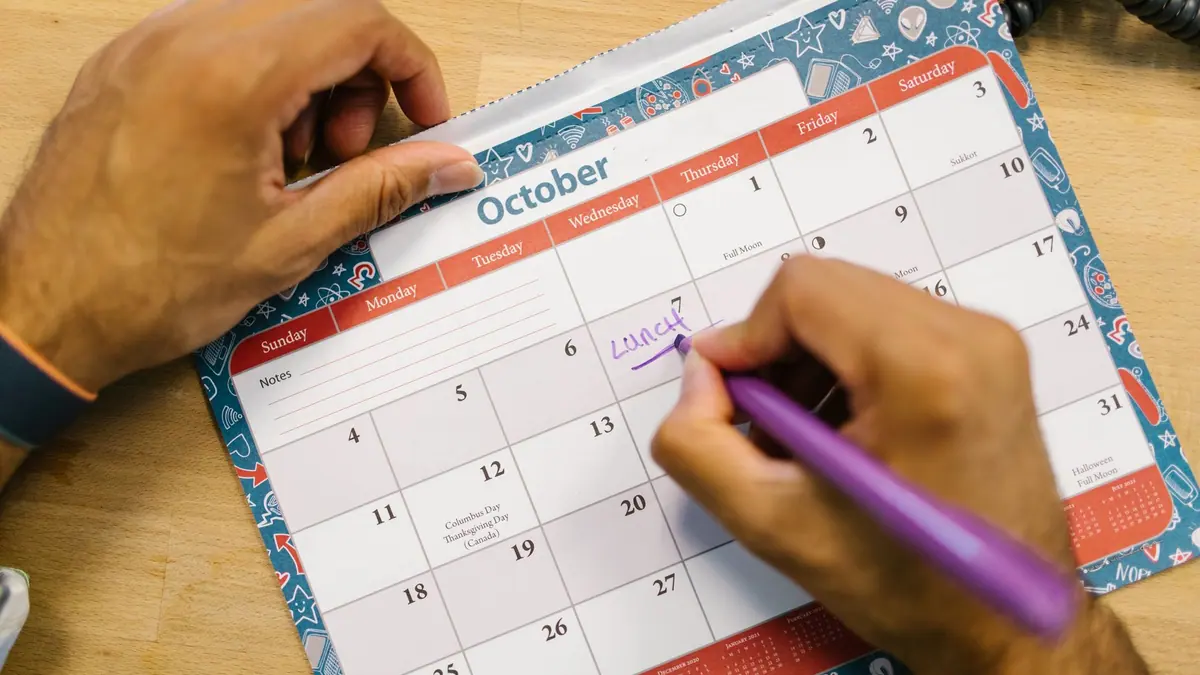
Then put that end date in a calendar with a reminder at least a month before, because everything else in this piece depends on clearing the balance before it arrives.
Clause two: what happens at the end
This is the most consequential distinction in the category, and there are two quite different structures.
In the first, interest simply begins to apply to whatever balance remains at the standard rate from that point forward. That is straightforward: you pay interest on the outstanding amount going forwards, and the interest-free period was genuinely free.
In the second — often described as deferred interest — interest has been accruing throughout the promotional period and is waived only if the balance is cleared in full by the end date. Miss it by a small amount, or by a day, and the entire accrued interest is applied retrospectively.
These two arrangements look almost identical in advertising and are completely different products. Finding out which one you are being offered is the single most valuable thing in this guide.
Clause three: how payments are allocated
If the account carries more than one balance — a promotional purchase balance and, say, a balance transfer or a cash advance — the agreement will specify how your payments are applied between them.
Regulation in many places requires payments to go first to the highest-rate balance, which works in your favour. Where that is not the case, payments can be applied to the interest-free balance first, leaving an expensive balance untouched and growing. Either way, the safest approach with promotional credit is to keep the account clean: use it for the promotional purchase and nothing else.
| Clause | Where to look | What you want to see |
|---|---|---|
| Start of the period | Key facts or summary box | A date, not a number of months |
| Treatment at the end | Interest section | Interest applies from the end date, not retrospectively |
| Payment allocation | Payments and charges | Highest-rate balance cleared first |
| Missed payment consequences | Default charges | A fee, not immediate loss of the promotional rate |
| Minimum payment | Repayment section | A figure that clears the balance within the period |
Clause four: what a missed payment does
Most agreements allow the provider to withdraw the promotional rate if a payment is missed. A single late payment can therefore end the interest-free period immediately, months before it was due to expire, and put the whole balance onto the standard rate.
The defence is a direct debit for at least the minimum payment, set up on the day the account is opened. It costs nothing, it removes the risk entirely, and it is the second-most useful action in this guide after diarising the end date.
Note that paying only the minimum will usually not clear the balance within the promotional window — minimum payments are calculated to keep an account current, not to clear it. Set the direct debit for the minimum as protection, and pay the real amount separately.
Working out the actual monthly payment
Divide the balance by the number of months in the promotional period, then round up. That is the payment that clears it in time. If that figure is uncomfortable, the offer is not making the purchase affordable — it is making an unaffordable purchase feel possible, which is a different thing and a worse one.
This is the test that matters more than any clause. Interest-free credit is useful for spreading a cost you can carry. It is not a way to afford something you cannot, and the structure of these products means the consequences of getting that wrong land all at once at the end.

Who this isn’t for
Avoid promotional credit if your income is irregular enough that a missed payment is a realistic possibility, because the penalty is losing the entire benefit rather than a small charge. Avoid it if you already have balances you are struggling to clear.
And avoid it for anything you would not buy at the full price today. That is the clearest signal that the offer is doing the persuading rather than the product — the same question we put at the centre of five questions before any large purchase.
What to know before you sign
- Calculate the end date yourself from the start date in the agreement.
- Find out whether interest is deferred. This changes the product entirely.
- Set a direct debit for the minimum on the day you open it.
- Set a calendar reminder a month before the end date.
- Divide the balance by the months and check the figure is comfortable.
- Use the account for nothing else while the promotional balance exists.
Does 0% credit affect my credit file?
Opening an account is recorded, and the balance forms part of your total credit. Managed well it is unremarkable; several applications close together can affect how a lender views a subsequent application, which matters if a mortgage is on the horizon.
What is deferred interest?
Interest that accrues during the promotional period and is waived only if the balance is cleared in full by the end date. If any balance remains, the accrued interest is applied retrospectively to the original amount. It is legal, disclosed, and the reason to read the interest section carefully.
Is it better to save up instead?
Often, and not always. Genuine 0% credit with no fee costs nothing, so using it while your money stays in a savings account earning interest is arithmetically sensible — provided you have the discipline to clear it. If the discipline is uncertain, saving first is the safer route, much as we argue in the piece on rates that quietly expire.
Interest-free credit is a good product used carelessly by a lot of people. Two minutes with four clauses, a direct debit and a calendar entry converts it into exactly what it appears to be. Without those, it converts into something considerably more expensive, and always at the end, when it is too late to do anything about it.