
Running shoe marketing has settled on two numbers: how thick the midsole is and what the foam is called. Both are easy to print and neither predicts whether a shoe will suit you. Two runners of different weights, running different distances at different paces, will get completely different results from the same pair, and the shoe has not changed.
What does predict the outcome is duller. It is how the shoe fits after eight kilometres when your foot has swollen, whether the midsole is appropriate for your weight, and whether you are asking it to do the job it was designed for. None of those appear on the box, and all of them are testable before you commit.
Fit changes during a run
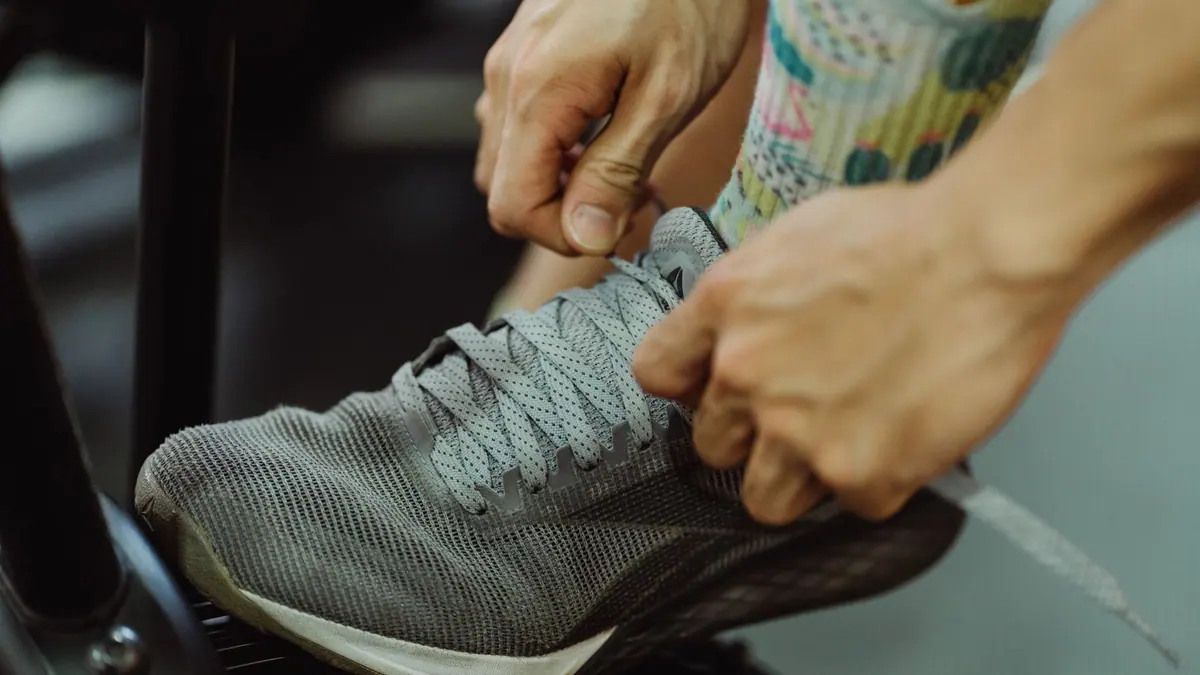
Feet swell with distance and heat. A shoe that fits well in a shop in the morning can be uncomfortably tight at the end of a long run in the afternoon, and the discomfort will appear at the toes and across the midfoot rather than at the heel.
The conventional guidance — leave roughly a thumb’s width in front of the longest toe — exists for exactly this reason, and it is the single most useful sizing rule in the category. A running shoe is not a formal shoe and should not fit like one. If it feels perfectly snug when you try it, it is probably a size too small for the distances you intend.
Try shoes late in the day, wear the socks you actually run in, and if the shop allows it, run in them rather than walking. Walking uses a different part of the shoe and tells you very little about how it behaves under load.
Weight and distance decide the midsole
Midsole foam compresses under load and rebounds. How much it compresses depends on the force applied, which depends principally on the runner’s weight and pace. This is why a heavily cushioned shoe can feel soft and pleasant to one runner and vague and unstable to another.
A lighter runner on a very soft, tall midsole may never compress it enough to feel supported, which reads as instability. A heavier runner on a firm racing midsole will compress straight through it, which reads as harshness. Neither is a fault in the shoe.
Distance layers on top of that. A shoe that is pleasant for five kilometres can be tiring at twenty, because the qualities that make it responsive over a short distance are the ones that stop protecting you over a long one. Most runners are better served by owning one comfortable shoe for the bulk of their running than by chasing a single shoe that does everything.
What the specifications actually mean
| Specification | What it describes | How much it matters |
|---|---|---|
| Stack height | Thickness of material under the foot | Affects feel and stability; not a quality measure |
| Drop | Height difference between heel and forefoot | Changes where load falls; changes should be gradual |
| Foam type | The compound in the midsole | Real differences in weight and rebound; heavily marketed |
| Plate | A stiffening element inside the midsole | Useful at pace; often unnecessary for easy running |
| Upper material | What holds the foot on the platform | Decides comfort more than anything below it |
| Outsole rubber | Grip and wear | Decides how long the shoe lasts in practice |
Drop deserves a note because it is the specification most likely to cause a problem when changed carelessly. Moving from a high-drop shoe to a low-drop one shifts load towards the calf and achilles, and doing it abruptly is how people end up sore. If you want to change, change gradually and keep the old pair in rotation.
The upper is the specification that gets the least attention and causes the most complaints. Every hot spot, every rubbed heel and every numb toe is an upper problem rather than a midsole one. Knitted uppers accommodate a wider range of foot shapes and breathe well; engineered mesh holds the foot more precisely and can be unforgiving if your foot does not match the last. Neither is better in the abstract, and both are things you can assess in ninety seconds with the shoe on.
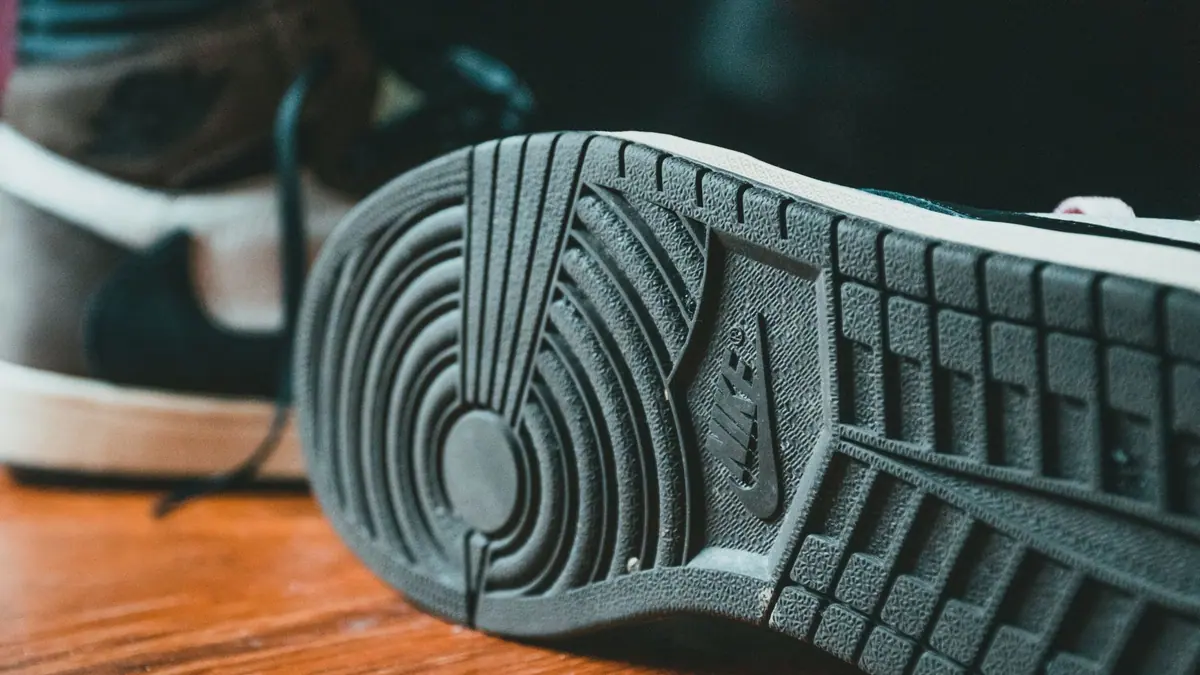
Outsole rubber deserves a similar mention for a practical reason: it is usually what decides the shoe’s useful life in real terms. A midsole that still has life in it under an outsole worn through to foam is a shoe that has to be replaced anyway, and the amount of rubber a manufacturer applies varies widely between models at the same price.
Rotation is the cheapest upgrade
Two pairs of shoes used alternately will together last longer than two pairs used consecutively, because midsole foam recovers between runs. That is a genuine, practical benefit and it costs nothing beyond buying the second pair sooner than you otherwise would.
Rotation also lets each shoe do the job it is good at. A cushioned pair for easy distance and a lighter pair for faster sessions is a far more useful arrangement than one compromise shoe, and it is the same argument we make about owning two modest tools rather than one expensive one.
If you only run a few kilometres a week, none of this applies and one pair is plenty. Rotation is for people accumulating real mileage — and if running is not the habit that sticks, a bike chosen for occasional use asks less of you.
Who this isn’t for
Skip the maximal-cushioning trend if you are light, run short distances, or value ground feel. Very tall midsoles raise you further from the ground and make the platform less stable, which some runners find unsettling and none of them need if the runs are short.
Skip road shoes entirely if most of your running is on trails or wet grass. Road outsoles have shallow tread designed for tarmac, and no amount of cushioning compensates for slipping. And if you are running through pain, that is a matter for a physiotherapist rather than a shoe — nothing here is medical advice, and no shoe fixes an injury.
What to know before you buy
- Leave a thumb’s width at the toe. Feet swell; a snug fit becomes a tight one.
- Try them late in the day in the socks you actually run in.
- Match the shoe to your usual distance, not to your longest ever.
- Change drop gradually if you change it at all.
- Rotate two pairs if you run regularly. It extends both.
- Buy last season’s model. Updates are frequently cosmetic and the discounts are real.
How long do running shoes last?
Judge by the shoe rather than by a mileage figure. When the midsole has visible compression creases that no longer spring back, or the outsole is worn through to the foam at the usual contact point, the shoe has stopped doing its job. Uppers usually outlast midsoles, which is why a shoe can look fine and be finished.
Do I need a stability shoe?
Only if you have been advised you do, or if you have found through experience that you prefer one. The old practice of prescribing stability shoes by arch height is no longer considered reliable, and the honest answer for most runners is to choose by comfort over distance.
Are carbon-plated shoes worth it?
For racing at pace, they do something real. For easy running they add cost and stiffness without much benefit, and they wear out faster. If you race occasionally, they are a specialist purchase rather than a daily shoe — the same framework as five questions before any large purchase.
The most useful thing you can do in a running shop is ignore the wall of technology and spend ten minutes on fit. Length at the toe, security across the midfoot, no pressure anywhere specific, and a platform that feels stable at your weight. Get those right and the foam name becomes what it always was: a marketing decision made after the shoe was designed.