Bike buying advice is overwhelmingly written for people who ride a lot. It optimises for weight, gearing range and component hierarchies, all of which genuinely matter when you are riding four times a week and covering distance. For someone who will ride twice a week, mostly short trips, those priorities produce an expensive bike that spends most of its life indoors.
The occasional rider has a different problem. The obstacles are not performance ones; they are whether the bike is easy to get out, whether it needs attention before every ride, and whether it is comfortable enough that the second ride happens at all.
Storage decides more than components
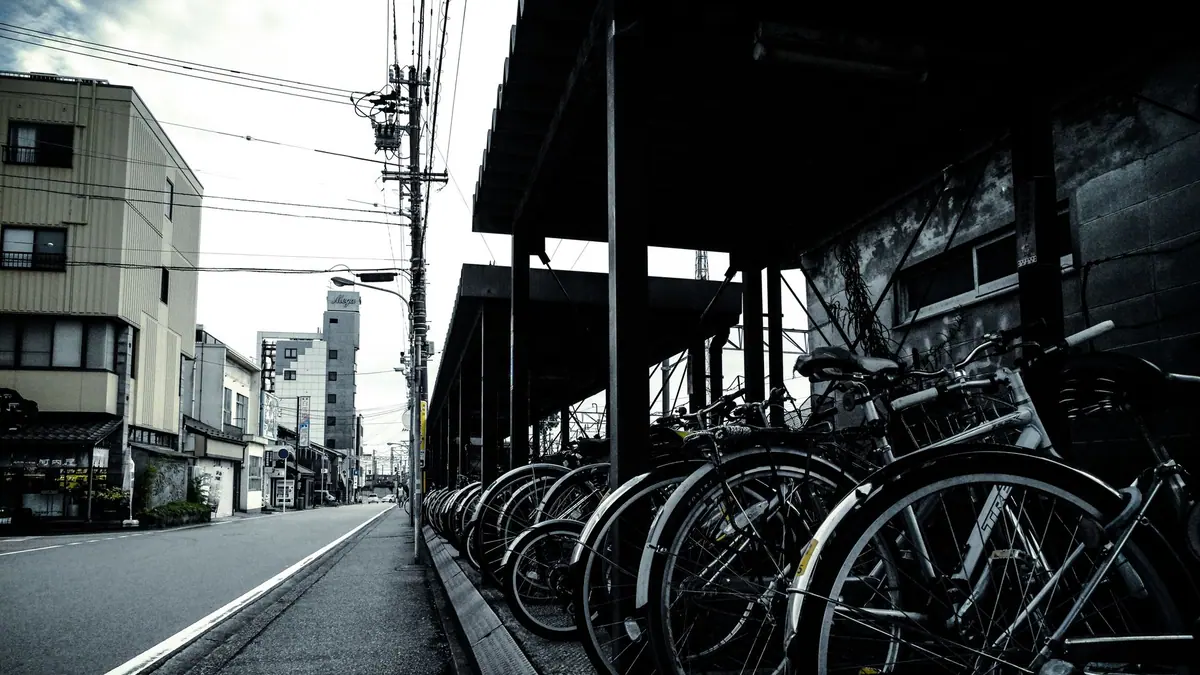
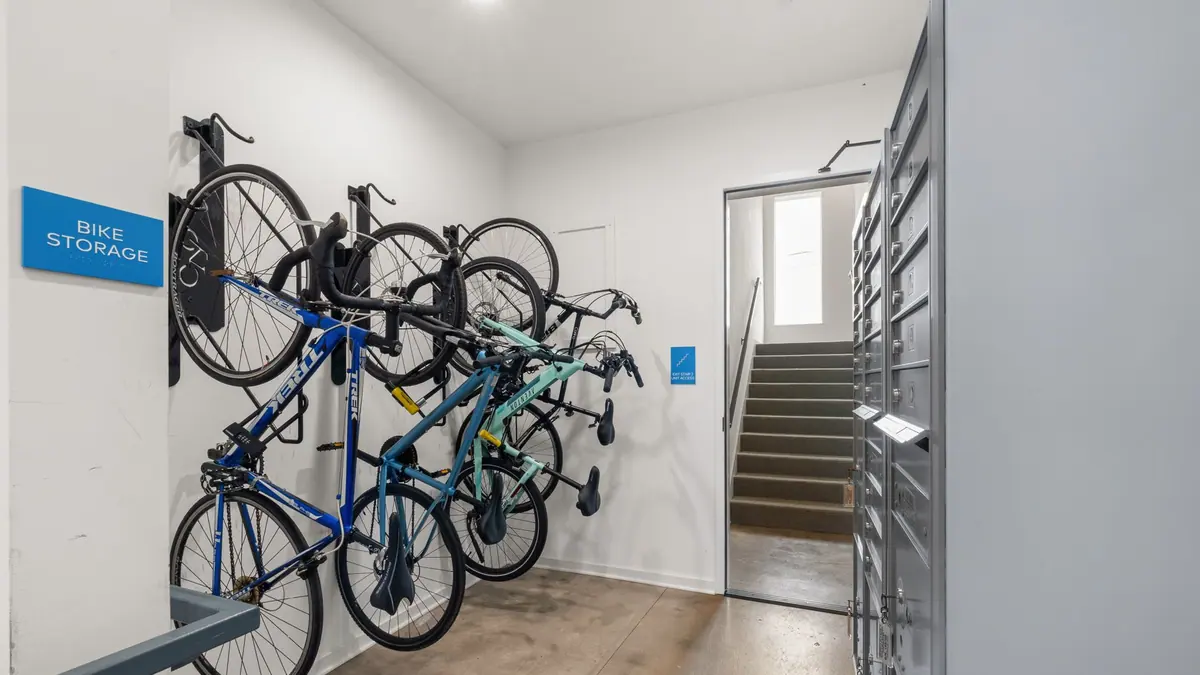
Where the bike lives is the first question and it is usually answered last. A bike in a shed at the bottom of a garden is ridden less than one in a hallway. A bike that has to be carried up stairs is ridden less than one that does not. A heavy bike in a first-floor flat is ridden least of all.
This makes weight relevant for a reason nobody advertises. Not because it makes you faster, but because a bike you can lift comfortably is a bike you will bring inside, and a bike you bring inside is one that stays dry, stays working and stays ridden.
If storage is genuinely difficult, a folding bike deserves serious consideration despite the compromises in ride quality. A folding bike that lives behind a door beats a better bike that lives in a shed you rarely open.
Maintenance you will not do
Be realistic. An occasional rider does not clean and lubricate a drivetrain after every wet ride, and a bike that requires that attention will develop a rusty chain and gears that slip. The components that suit this pattern are the ones that tolerate neglect.
- Hub gears over derailleurs, if the terrain allows. Sealed, indifferent to weather, and they shift while stationary.
- A belt drive instead of a chain, where offered. No lubrication, no rust, no oily marks on trousers.
- Hydraulic or mechanical disc brakes over rim brakes if you ride in the wet. They work when the rims are filthy.
- Puncture-resistant tyres. The most common reason an occasional rider stops riding is a flat they never got round to fixing.
- Full mudguards. The difference between a wet road being an inconvenience and being a reason not to go.
Every item on that list trades a small amount of performance for a large amount of reliability. For someone riding twice a week, that is exactly the right trade, and it is the opposite of what a performance-focused shop will recommend.
Which type of bike
| Type | Best for | Weakness |
|---|---|---|
| Hybrid | Mixed roads and paths, upright position | Jack of all trades; heavier than a road bike |
| Road bike | Distance on tarmac | Uncomfortable position for short casual rides |
| Gravel bike | Road plus rough tracks | Costs more for versatility you may not use |
| Folding bike | Difficult storage, mixed-mode commutes | Small wheels ride harshly; slower |
| Electric | Hills, longer commutes, carrying loads | Heavy, expensive, battery to manage |
For most occasional riders the hybrid is the honest answer. It is comfortable enough to enjoy without training for it, capable enough for a canal path, and it takes mudguards and a rack without argument. The gravel bike is the fashionable alternative and is frequently more bike than the use requires.
Fit matters more than the frame
An uncomfortable bike does not get ridden, and discomfort at this level of use is almost always a fit problem rather than a component one. The three things worth getting right are saddle height, reach to the handlebars, and saddle choice.
Saddle height is the easiest to fix and the most commonly wrong — most casual riders sit far too low, which makes pedalling harder and the knees unhappy. Reach determines how much weight sits on your hands; too long and your wrists complain within twenty minutes. Saddles are intensely personal, and the one that came with the bike is a starting point rather than a decision.
A shop that measures you and sets the bike up properly is worth more than a discount, particularly for someone who will not diagnose these things themselves.
Frame size is the part that cannot be adjusted afterwards, so it is worth being firm about. Manufacturers publish size charts by height, and those charts are a starting point rather than an answer — inside leg and torso length vary independently, and two people of the same height can need different frames. If you are between sizes, the smaller frame with a longer stem is usually more adaptable than the larger frame with a shorter one.
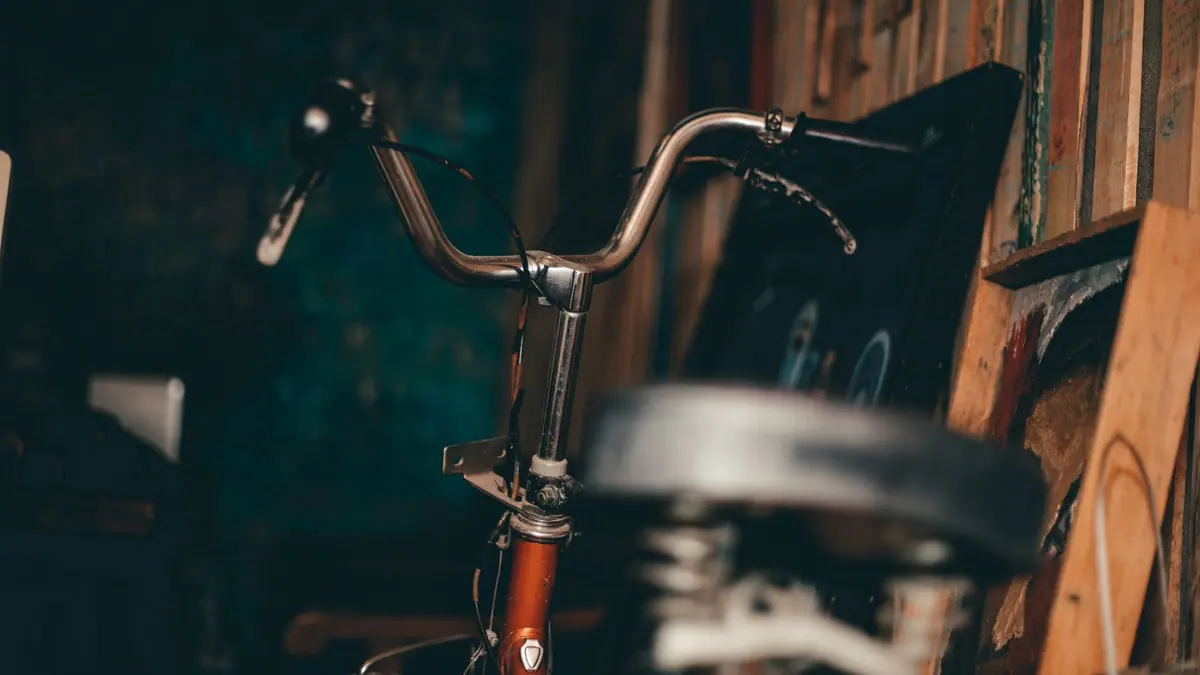
Handlebar height is the adjustment most often left alone and most worth changing. Bikes are frequently supplied with the bars low, which suits a rider who wants to go fast and punishes one who wants to look around. Raising them puts less weight on the hands and makes an hour on the bike pleasant rather than something to endure, and on most bikes it costs nothing but a few minutes with an allen key.
Where to spend and where not to
Spend on contact points and reliability: saddle, tyres, brakes, and a proper fit. Spend on a good lock, which is not optional in a city and is frequently under-bought relative to the bike. Spend on mudguards and lights, which are what make riding in ordinary weather feasible.
Do not spend on frame material or component tiers. The difference between a mid-range groupset and a high-end one is real and is entirely irrelevant at two rides a week. Do not buy a bike computer, and do not buy clipless pedals until you know you want them — the same logic we apply to home gym equipment, where the useful purchase is the one that removes friction rather than the one that adds capability.
What to know before you buy
- Decide where the bike lives first. Storage predicts use better than anything else.
- Choose components that tolerate neglect, not the ones that reward maintenance.
- Budget for lock, lights and mudguards from the start, not later.
- Get the fit set up properly. Comfort decides whether you ride twice.
- Buy puncture-resistant tyres. The flat you never fix ends the habit.
- Consider second-hand. Bikes depreciate sharply and lightly used ones are common.
Is an electric bike worth it for occasional riding?
If hills or distance are the reason you do not ride, yes — an electric bike converts a trip you avoid into one you take. If your rides are short and flat, it adds weight, cost and a battery to manage in exchange for very little.
How much should I spend?
Enough to get sealed bearings, decent brakes and a frame that fits, and no more. Below a certain point bikes become heavy and unreliable in ways that discourage riding; above the mid range the improvements are for people who ride far more than twice a week.
Second-hand or new?
Second-hand is excellent value if you can assess condition or bring someone who can. Check the drivetrain for wear, the frame for cracks around the welds, and the wheels for buckles. A shop-serviced used bike with a short warranty is often the best compromise — an application of five questions before any large purchase.
Buy for the ride you will actually take. Comfortable, reliable, easy to get out of the door, and equipped so that ordinary weather is not a reason to stay in. A bike chosen that way gets ridden twice a week; a better bike chosen the usual way gets ridden twice a year.