Sunscreen is unusual among the things we cover because the specification on the packaging describes a laboratory condition rather than the way anyone uses it. The SPF figure is measured at an application thickness that almost nobody applies, and it describes protection at the moment of application rather than five hours later on a face that has been touched, wiped and rubbed against a phone screen.
That gap between the tested product and the used product is where the real decision lives. A high-factor sunscreen applied thinly once in the morning is providing less protection than a moderate one applied properly and topped up. Which means the useful question is not which bottle has the highest number, but which one you will still be wearing in the afternoon.
Texture decides the outcome
Every complaint that causes someone to stop wearing sunscreen is a texture complaint. It pills under moisturiser. It leaves a white cast. It stings the eyes when you sweat. It feels heavy by lunchtime. It makes the skin look shiny in photographs. None of these are safety issues and all of them end the habit, which is a safety issue.
So test for those things specifically. Apply it the way you actually would, over whatever you normally wear underneath, and then leave it for four hours and look. A product that passes that test at a modest factor beats one that fails it at a high factor, because the second one ends up unused in a drawer.
The other texture question is compatibility. Sunscreen sits on top of the rest of a routine, so it has to coexist with what is underneath. Pilling — those small rolls of product that appear when you rub — is almost always a layering conflict rather than a fault in either product. Changing the order, or waiting a minute between layers, resolves most of it.
Mineral and chemical, without the tribalism
The two families work differently. Mineral filters sit on the surface and scatter light. Chemical filters absorb it and convert it to heat. Both are effective, both are regulated, and the choice between them is practical rather than moral.
| Aspect | Mineral | Chemical |
|---|---|---|
| Finish | Can leave a cast on deeper skin tones | Usually invisible |
| Texture | Thicker, more occlusive | Lighter, spreads further |
| Sensitive skin | Often better tolerated | Some filters sting around the eyes |
| Under makeup | Can grip and pill | Generally layers more easily |
| Reapplication | Harder over makeup | Easier, especially in fluid forms |
The white cast problem deserves emphasis because it is routinely dismissed. For deeper skin tones a mineral sunscreen that leaves a grey film is not a minor cosmetic annoyance — it is the reason the product stops being worn, which makes it a protection problem. Tinted mineral formulations exist and largely solve it, and they are worth seeking out rather than tolerating a cast.
Reapplication is the hard part
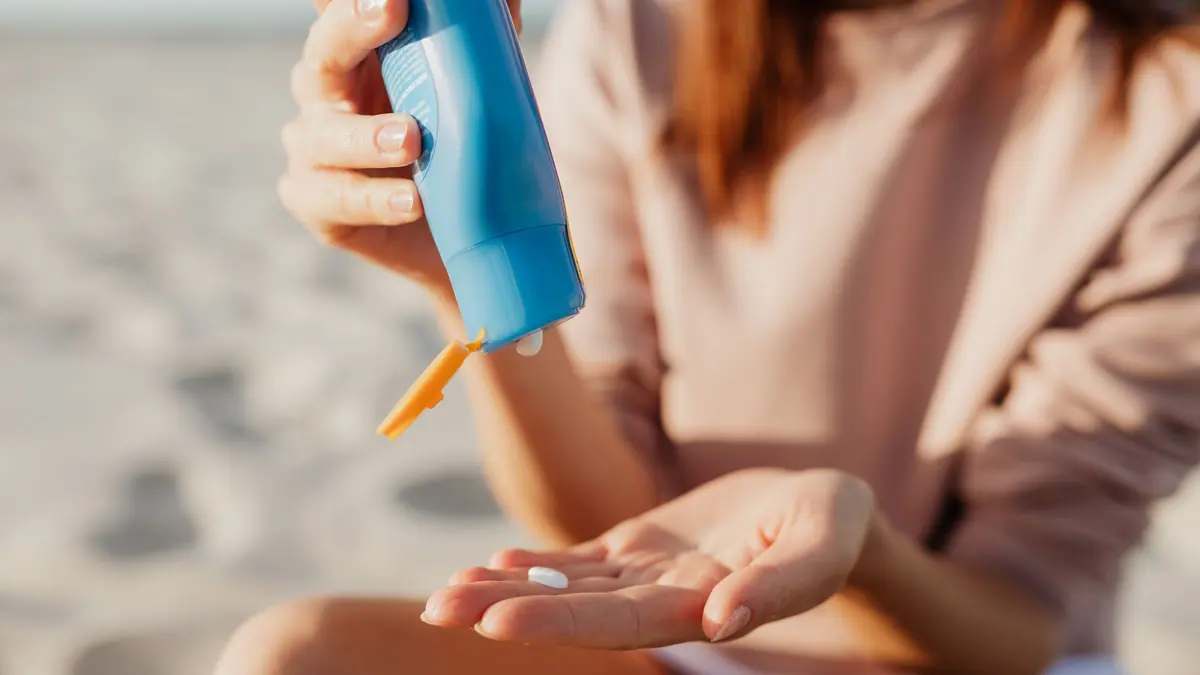
Everyone knows they should reapply. Very few people do, and the reason is almost always practical: they are wearing makeup, they are at a desk, and reapplying means starting the face again.
The formats that solve this are the ones worth owning. A fluid or stick that can go over makeup without disturbing it removes the main obstacle. Powders with sun filters are convenient and are widely considered inadequate as a sole reapplication method, because the amount that lands on the skin is small and uneven — treat them as a top-up rather than a layer.
Be realistic about your day. Someone who commutes indoors and sits away from a window has a different reapplication need from someone who eats lunch outside. Buy for the day you actually have.
There is a simple habit that works better than any product. Attach reapplication to something you already do at a fixed time — leaving for lunch, coming back from it, the last coffee of the afternoon. Habits that hang off an existing routine survive; habits that depend on remembering do not. This is the same reason the toothbrush timer works and the toothbrush app does not.
Storage matters more than people expect, too. A bottle left in a car through a summer is exposed to temperatures that degrade the filters, and a tube that has spent months in a hot bag is not the product it was when you bought it. Keep the working bottle somewhere cool, and treat a sunscreen that has changed colour, smell or texture as finished rather than as still usable.
What the label does and does not tell you
- SPF describes protection against one part of the spectrum. Look for broad-spectrum labelling for the rest.
- Water resistance is time-limited, and the time is stated. It is not a permanent property.
- Higher factors give diminishing returns. The step from low to moderate is large; the step from high to very high is small.
- Application amount matters more than factor. Most people apply well under the tested quantity.
- Expiry dates are real. Filters degrade, and a bottle carried through two summers may not perform as labelled.
Who this isn’t for
This is written for daily, incidental exposure — commuting, working near a window, walking at lunchtime. It is not the right framework for a beach day or a long hike, where water resistance, a genuinely high factor and disciplined reapplication all matter far more than elegance of texture. Do not carry the advice above into those situations.
It is also not for anyone with a diagnosed photosensitivity, a skin condition under treatment, or a dermatologist’s specific recommendation. In those cases the product has been chosen for a reason, and general advice about finish and texture is beside the point. Nothing here is medical advice, and it is not a substitute for asking someone qualified.
What to know before you buy
- Test it over your actual routine, not on bare skin, and look again after four hours.
- Buy a size you will use within a season rather than a large bottle you will still have next year.
- Check the finish in daylight, not bathroom light, particularly for cast.
- Own a reapplication format as well as a morning one. They are rarely the same product.
- Apply more than feels natural. Under-application is the single most common failure.
- Do not chase the highest factor at the cost of a texture you will avoid.
Do I need sunscreen indoors?
It depends on the window. Glass blocks some wavelengths and not others, so someone sitting beside a large window all day has meaningful exposure and someone in an internal room has almost none. Judge by where you actually sit rather than by whether you go outside.
Is a moisturiser with SPF enough?
It counts, but people typically apply moisturiser in a thinner layer than sunscreen, so the protection achieved is usually lower than the labelled figure suggests. As a convenience for a low-exposure day it is reasonable. As a substitute on a high-exposure one it is not.
Does an expensive sunscreen protect better?
Not inherently. Price buys texture, finish and elegance rather than protection, and those things matter only because they decide whether you keep wearing it. If a cheap sunscreen feels good on your skin, it is the better product for you — the same logic we apply in building a routine that survives a busy week and in five questions before any large purchase.
The way to choose is to stop reading the front of the bottle and start predicting your own behaviour. Find a texture you do not mind wearing, in a format you can reapply without redoing your face, and buy enough of it that using a generous amount does not feel wasteful. Protection that happens every day at a moderate factor comfortably beats protection that happens once a week at a high one.