Buy it for life is one of the more appealing ideas in consumer advice, partly because it feels like the responsible choice and partly because it flatters the buyer. Spend more once, own something good, stop participating in a cycle of replacement. As a principle it is frequently right and it is applied far more often than it holds.
The cases where it fails are not random. They follow a pattern, and three questions separate the purchases where buying once genuinely wins from the ones where the cheaper option is simply correct.
Test one: does the category change?
Buying for life only makes sense in categories that are technologically stable. A cast iron pan works the same way it did a century ago, so a good one bought now will still be a good one in thirty years. A laptop will not, because the useful life is set by software and connectivity rather than by whether the hinge still works.
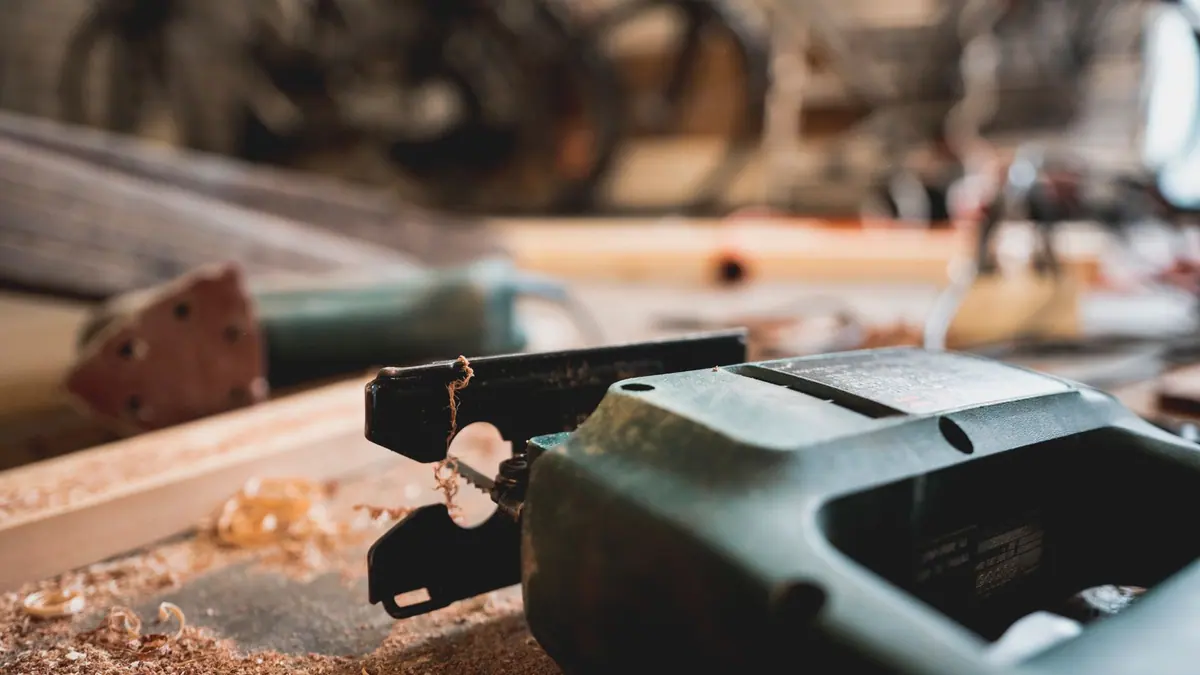
The rule that follows is straightforward. In stable categories — hand tools, cookware, furniture, leather goods, mechanical things — buying once is usually correct. In categories driven by rapid change, the expensive purchase depreciates in usefulness regardless of how well it was built, and paying for durability buys something you will not get to use.
The awkward middle is categories that are stable in principle and tied to a changing ecosystem: an excellent appliance with a smart platform that stops being supported, or a superb camera whose software never gets updated again.
The useful move in that middle ground is to separate the durable part from the perishable one. A television whose panel will outlast its smart platform is a better purchase if you plan to drive it from an external device that can be replaced cheaply. A hi-fi with analogue inputs survives every change in how music is delivered to it. Wherever a product lets you isolate the fast-moving component, the durability of the rest becomes worth paying for again.
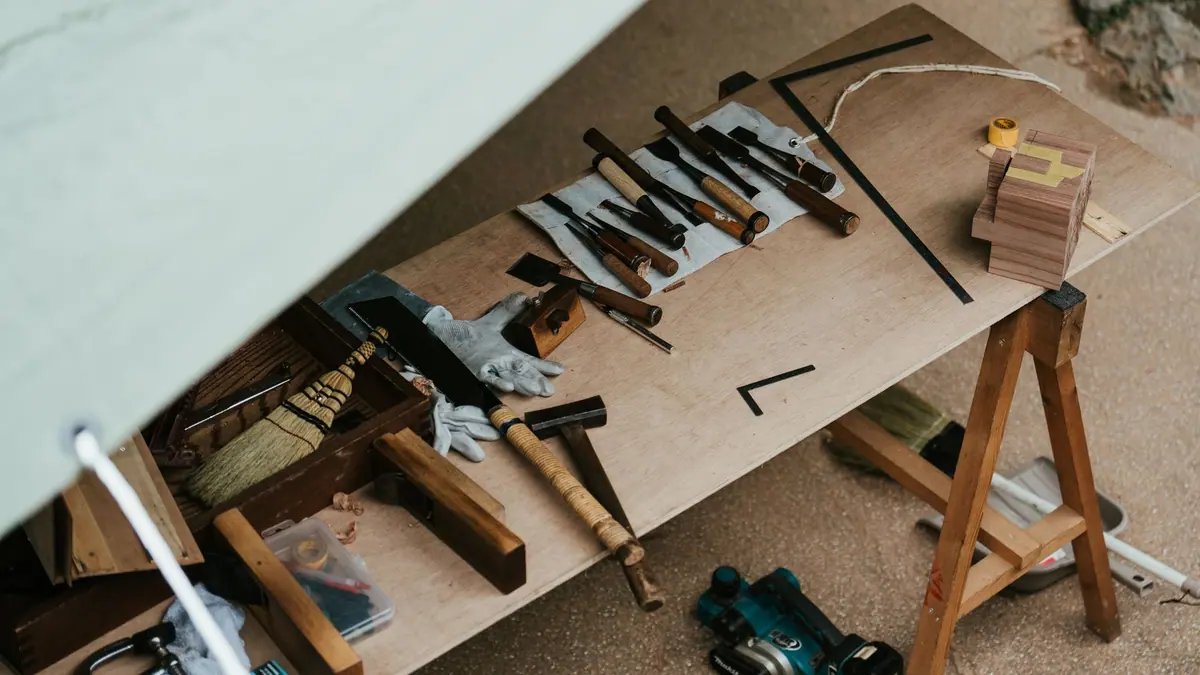
Test two: is it repairable, and by whom?
Durability without repairability is a shorter promise than it sounds. Things fail; what decides whether they last is whether failure can be fixed.
The specific questions are whether the parts that wear are replaceable, whether those parts are available from more than one source, and whether anyone other than the manufacturer can carry out the work. A product with a thriving independent repair trade is a much better long-term purchase than one that has to go back to a single service centre, regardless of build quality.
Sealed batteries are the clearest example of the problem. An otherwise excellent product with a battery that cannot be replaced has a hard expiry date built into it, and no amount of engineering elsewhere changes that. This is precisely the argument that decides whether a boot is worth its price: the sole construction, not the leather, sets the lifespan.
Test three: will your needs stay the same?
The most under-considered variable is not the product but the person. Buying for thirty years assumes thirty years of the same requirement, and a great deal changes in that time — where you live, how much space you have, who else is in the household, what you do for a living.
Some purchases are safe on this test. A good pan suits any kitchen. Others are not: furniture sized for one home, equipment suited to one hobby, a bike chosen for one commute. Where the requirement is likely to shift, buying for durability is buying a commitment as much as an object.
This is where people are least honest with themselves, because buying well feels like an expression of intent. The expensive equipment for a hobby you are about to take up seriously, the professional-grade tool for the renovation you are planning — both are purchases made on behalf of a future version of yourself who may not materialise. The safer sequence is to buy modestly, discover whether the habit holds, and upgrade once it has. Almost nobody regrets that order; a great many people regret the other one.
The comparison
| Condition | Buy once, well | Buy cheaper, replace |
|---|---|---|
| Stable technology | Strongly favoured | Wasteful |
| Rapidly changing category | Pays for life you will not use | Usually correct |
| Repairable, parts available | Favoured | Misses the advantage |
| Sealed, no parts | Premium with an expiry date | More honest about the lifespan |
| Requirements stable | Favoured | Fine, but avoidable churn |
| Requirements likely to change | An expensive commitment | Keeps options open |
| Used frequently | Strongly favoured | False economy |
| Used rarely | Rarely justified | Correct |
Frequency is the multiplier across every row. Quality pays for itself through use, so the same product can be an excellent buy for someone who uses it weekly and a poor one for someone who uses it twice a year. That is why the honest recommendation so often depends on the person rather than the product.
The failure mode of each approach
Buying for life fails by over-specifying: paying for capability and longevity that never gets used, on something that becomes obsolete, unrepairable or unsuitable before the durability is tested. The money is not wasted exactly, but it does not return what it promised.
Buying cheap fails by under-specifying: a product that is unpleasant enough to use that it changes behaviour, or that fails at a bad moment, or that costs more in consumables than it saved. The classic case is a tool bought cheaply, found frustrating, and replaced within a year by the one that should have been bought first.
Between those, there is a third failure that gets less attention: buying well and then replacing it anyway because something newer appeared. Durability only pays if you actually keep the thing.

What to know before you buy
- Ask whether the category is stable. This single question resolves most cases.
- Check repairability and whether independent repair exists.
- Count how often you will actually use it. Frequency multiplies everything.
- Consider whether your needs will hold for the lifespan you are buying.
- Look at the second-hand market. A strong one is evidence of genuine durability.
- Be wary of sealed premium products. A high price with a built-in expiry is the worst combination.
Is expensive always more durable?
No. Price correlates with durability in some categories and with finish, branding or features in others. The reliable signals are repairability, parts availability and a healthy second-hand market — not the price tag.
What about buying second-hand?
Frequently the best answer available. Well-made durable goods depreciate sharply and then hold value, so buying used gets you the quality without the initial drop. It works best in exactly the stable, repairable categories where buying for life makes sense in the first place.
How do I know if a category is stable?
Look at whether a twenty-year-old example is still useful. If people are happily using decades-old examples, the category is stable. If they are not, no amount of build quality will keep yours relevant, and the seasonal timing in the best times of year to buy each category matters more than durability.
The honest position is that buy it for life is a good rule with a narrower range than its enthusiasts allow. Apply it to stable, repairable things you use often, and ignore it for anything driven by rapid change or used occasionally. Getting that distinction right saves more money than either approach applied indiscriminately.