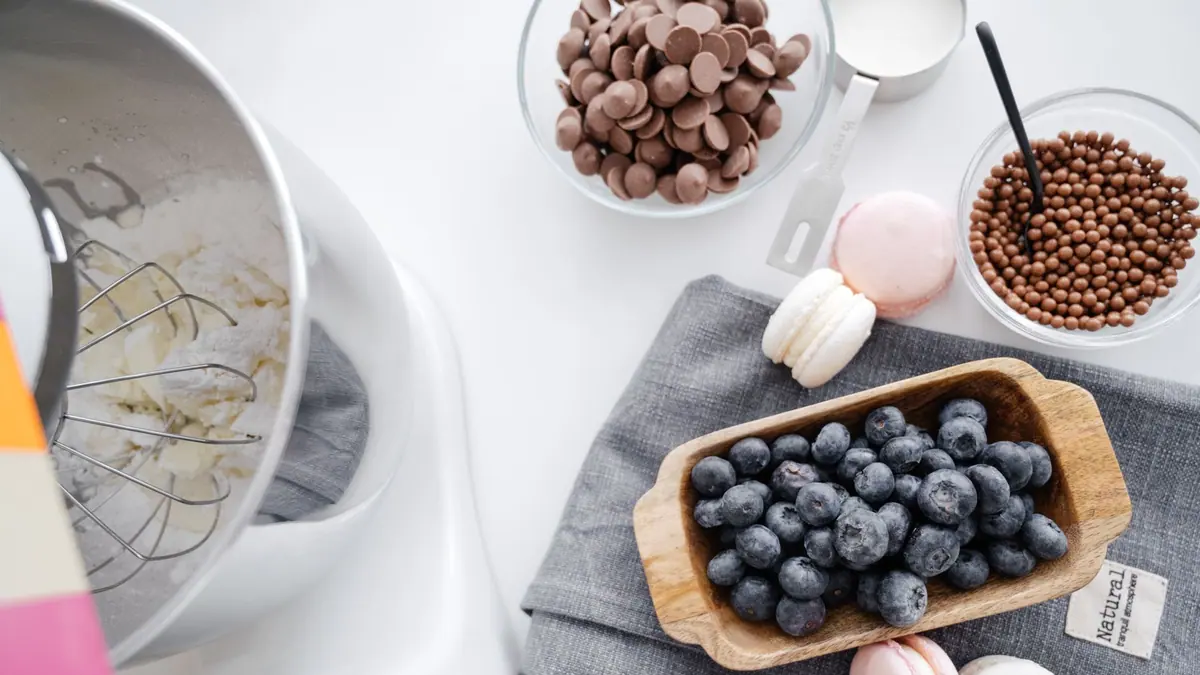
Stand mixers occupy an unusual position in the kitchen. They are among the most desired appliances and among the least used. The gap between those two facts is not a mystery: the machine is genuinely excellent at a small number of jobs, and most households do those jobs about four times a year.
That is not an argument against owning one. It is an argument for being honest about which household you are in before spending the money and, more importantly, the counter space. Because unlike most appliances, this one is too heavy to put away and too large to ignore.
What it is actually for
A stand mixer replaces sustained physical effort. Kneading bread dough for ten minutes, creaming butter and sugar until genuinely pale, whipping egg whites to a stable peak — these are tasks where a machine is not merely faster but produces a measurably better result, because it applies consistent force for longer than an arm reasonably can.
For everything else, a hand mixer does the job for a fraction of the price and lives in a drawer. Cakes that need thirty seconds of mixing, cream for a dessert, a single batch of biscuits: none of these justify the machine. If your baking is occasional and small, the honest recommendation is a good hand mixer and the money kept.
The household that uses one weekly
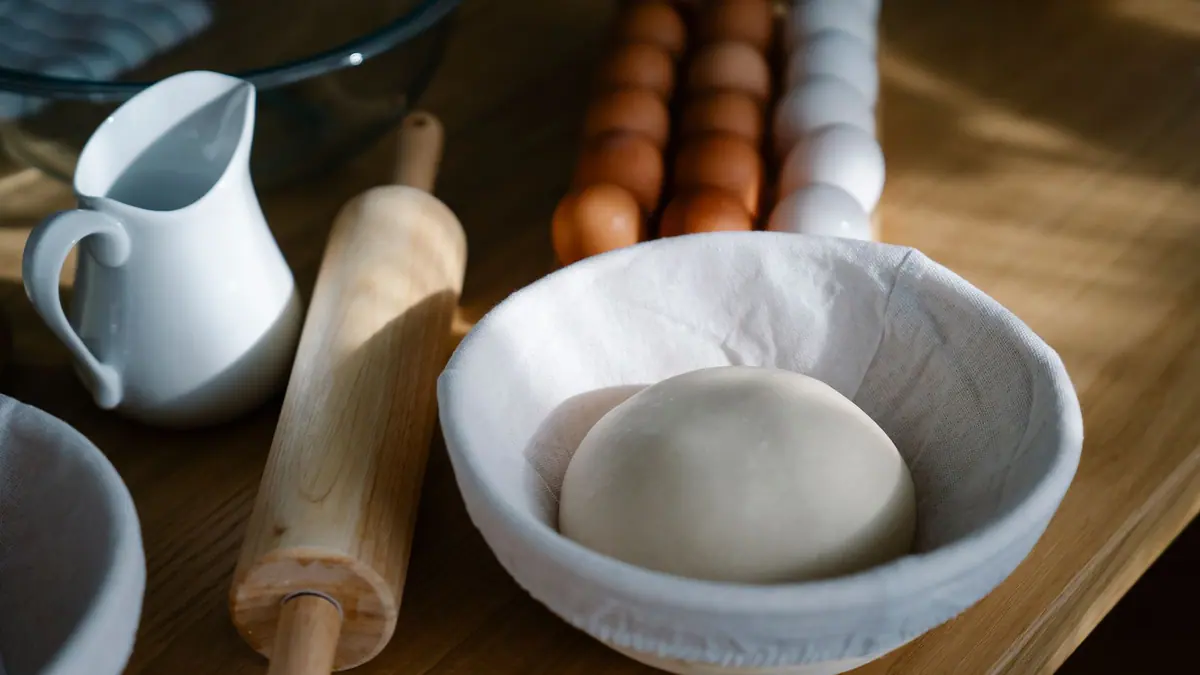
There is a recognisable pattern among people whose stand mixer never gets put away. They make bread — real dough, regularly, not once a winter. Or they bake in volume for a family, where doubling a recipe is normal. Or they cook something specific and repetitive that the machine transforms: pasta dough, meringue, enriched dough that needs long kneading.
What these have in common is repetition. A stand mixer rewards frequency, because the setup and cleaning cost is fixed. Using it once a month means the cleaning feels disproportionate. Using it weekly means it feels like nothing at all.
There is a second pattern, less obvious and just as real: households where someone cannot comfortably do sustained hand work. Arthritis, a wrist injury, limited grip strength — for anyone in that position a stand mixer is not a luxury that saves ten minutes, it is the difference between baking and not baking. The economics look completely different when the alternative is not doing the thing at all, and it is worth saying plainly because the usual framing of this appliance as an indulgence quietly excludes the people it helps most.
What almost never justifies one is aspiration. The machine does not create the habit. People who bake weekly buy a mixer and use it weekly; people who buy a mixer hoping to bake weekly usually carry on baking at the rate they already did, with a large object on the worktop reminding them about it.
Motor, bowl and the way it mixes
| Feature | Why it matters | What to look for |
|---|---|---|
| Mixing action | Decides whether the bowl needs scraping constantly | A beater that travels around the bowl, not just spins in place |
| Motor placement | Direct drive is quieter and loses less power to belts | All-metal gearing where the load is highest |
| Bowl attachment | Tilt-head is easier to load; bowl-lift is steadier under heavy dough | Tilt-head for most homes, bowl-lift for frequent bread |
| Bowl capacity | Too large is as bad as too small — whisks cannot reach small volumes | Match to your usual batch, not your largest ever |
| Weight | Heavy is good: it stops the machine walking across the worktop | Enough mass to stay put with stiff dough |
The mixing action deserves the most attention because it is the difference people notice daily. A beater that only rotates leaves an unmixed ring at the edge of the bowl, which means stopping and scraping repeatedly. A beater that also orbits the bowl reaches everything, and that single design choice removes most of the annoyance from the machine.
Attachments are mostly a distraction
Stand mixers are sold on their attachment ecosystems: pasta rollers, mincers, spiralisers, ice cream bowls. Some are genuinely good. Most are bought at the same time as the machine, used twice, and stored.
The rule that holds up is to buy attachments later, individually, once you have discovered a need. An attachment bought in anticipation of a habit almost never creates the habit. One bought because you are tired of doing something by hand will get used for years.
There is a practical reason for the same advice. Attachment fittings are proprietary and long-lived, so the ones available today will still fit the machine in five years. Nothing is lost by waiting, and quite a lot is saved. The bundles offered at the point of sale are priced to look like a saving precisely because most of what they contain will not be used.
The one exception worth considering up front is a second bowl. It costs relatively little, it removes the need to wash mid-recipe when something has to be whipped separately, and it is the accessory that people who bake regularly reach for most often. If you are going to buy one thing alongside the machine, buy that rather than a pasta roller.
Who this isn’t for
Skip a stand mixer if you bake fewer than a couple of times a month, if you live somewhere with limited worktop, or if your baking runs to single-tray quantities. In all three cases a hand mixer does the same work, costs far less, and does not force a permanent decision about where it lives.
Skip it too if the appeal is mainly aesthetic. These machines are attractive and that is a legitimate thing to want, but a decorative object at this price and weight is an expensive way to fill a corner. If the honest answer is that you want it on the counter more than you want to use it, that is worth knowing before rather than after.
What to know before you buy
- Count your actual baking over the last six months, not your intended baking.
- Measure the height under your cupboards with the head tilted up, which is taller than the closed figure.
- Check the beater reaches the bowl floor. A gap at the bottom means permanent scraping.
- Prefer metal gearing where the machine takes the load, particularly if bread is the reason you are buying.
- Buy the bowl size you use weekly, not the one that covers your largest imaginable batch.
- Leave attachments for later. Buy them when a task annoys you, not in advance.
Is a more powerful motor better for bread?
Up to a point. Beyond it, the limiting factor is the machine’s mass and gearing rather than raw power — an underweight mixer with a strong motor will shuffle across the worktop under stiff dough. Stability and metal gears matter more than a headline wattage figure.
Can I use it instead of a food processor?
Not really. They do different things: a mixer combines and aerates, a processor chops and blends. Attachments narrow the gap but rarely close it. If chopping is your main need, buy the processor.
How long should one last?
Long enough that longevity should shape the purchase. These are among the few remaining kitchen appliances routinely repaired rather than replaced, so check parts availability before committing — the case for buying once and well is set out in buy it for life versus replace it twice.
The clean way to decide is to ignore how much you like the idea of a stand mixer and look instead at your last six months. If you kneaded dough by hand and resented it, buy one. If you made two cakes and enjoyed both, buy a hand mixer and spend the difference on pans you will use every day.