
Shaving comparisons tend to be written by people who have already decided. The manual camp talks about closeness and ritual; the electric camp talks about speed and skin comfort. Both are describing real advantages, and both usually skip the part where the other approach is better for a substantial number of people.
The honest version is that these are different trade-offs rather than different quality levels. A blade cuts hair at or below the skin surface. A foil or rotary head cuts it slightly above. That single mechanical difference produces every other difference between them, and it explains why the right answer depends almost entirely on your skin and your schedule.
Closeness against irritation
A manual razor gives a closer result because the blade passes across the skin itself. That is the appeal and it is also the cost: anything that close is also abrading the surface, which is why aftershave stings and why sensitive skin objects.
An electric shaver keeps a thin barrier between the blade and the skin. The result is slightly less close and considerably less abrasive. For anyone prone to razor burn or ingrown hairs, that trade is not a compromise — it is the reason to switch, and the difference is usually obvious within a fortnight.
What complicates the comparison is that both improve substantially with technique and preparation, and most people using either badly conclude the tool is the problem. Warm water and time soften hair before a manual shave; a dry electric shave works better on hair that has not been softened at all. Doing the wrong preparation for your chosen method produces a poor result regardless of what you spent.

Time, and where it actually goes
Electric shaving is faster, but not by as much as its reputation suggests once everything is counted. The shave itself is quicker and needs no preparation or rinsing. Against that, the device needs cleaning, charging and periodic head replacement, and those small costs are spread across every week rather than concentrated in the moment.
A manual shave takes longer in the moment and has almost no ongoing overhead beyond blades. If your mornings are the constraint, electric wins clearly. If your mornings are fine and you resent maintenance, the manual answer is less trouble overall.
Frequency shifts the calculation as well. Electric shaving rewards doing it often, because short stubble is what the head is designed for; leave it a few days and the same device becomes slow and uncomfortable. A blade is largely indifferent to how long it has been, which makes it the more forgiving choice for anyone who shaves twice a week rather than daily.
The comparison, laid out
| Factor | Manual | Electric |
|---|---|---|
| Closeness | Closer | Slightly less close |
| Skin comfort | Harsher, especially on sensitive skin | Gentler, fewer ingrown hairs |
| Time per shave | Longer, with preparation | Shorter, no preparation |
| Ongoing cost | Blades, which vary enormously by system | Replacement heads, less often but pricier |
| Travel | Simple, though blades face airline rules | Needs charging; cordless models travel well |
| Longer stubble | Handles it well | Struggles unless trimmed first |
| Learning curve | Short | Two to three weeks for skin to adjust |
The adjustment period on the electric side is the most under-reported entry in that table. Skin genuinely takes a few weeks to settle when switching, and a great many people abandon an electric shaver in the first fortnight while it is still at its worst. If you are going to switch, commit to a month or do not bother.
Running costs, which nobody compares properly
Both approaches have an ongoing cost that dwarfs the initial purchase over a few years, and both are structured to make that hard to see at the point of sale.
On the manual side, cartridge systems are the expensive route and safety razors are dramatically cheaper per shave, at the cost of a steeper technique requirement. On the electric side, replacement heads are infrequent but individually costly, and a head kept long past its useful life is the usual cause of a shaver that suddenly seems to pull.
Work out the annual cost rather than the purchase price. It frequently reverses which option looks cheaper, in the same way head prices reverse the ranking of electric toothbrushes.
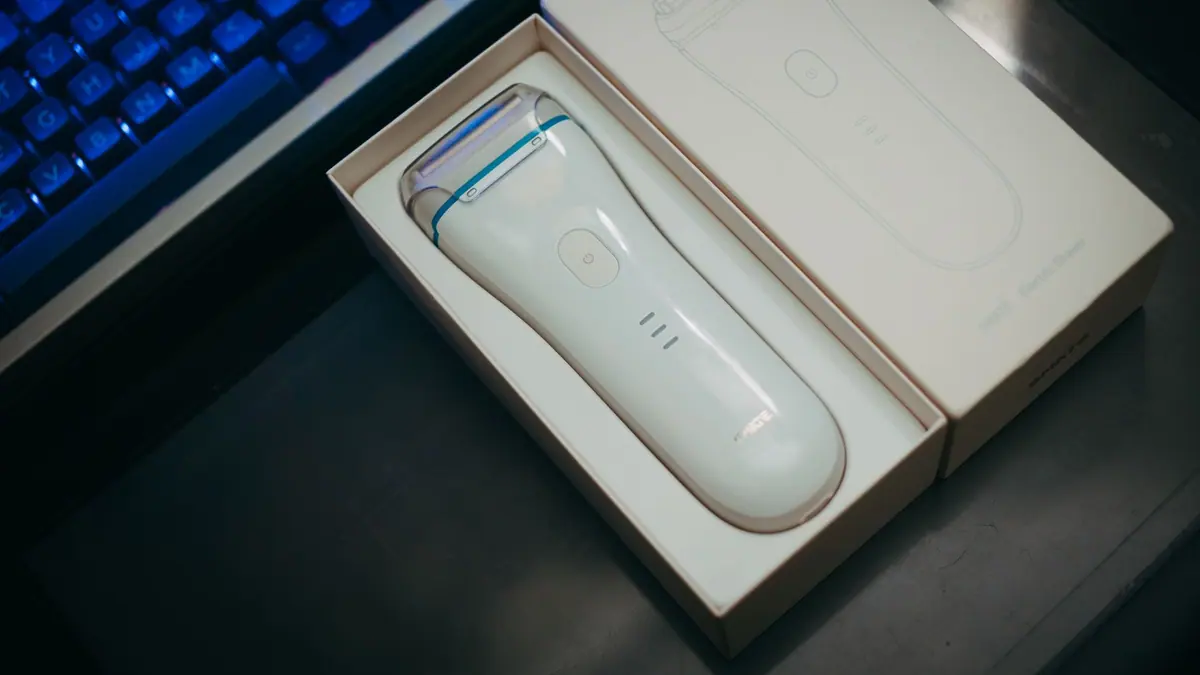
Foil or rotary, if you go electric
Foil shavers use oscillating blades behind a thin perforated screen and suit flat areas and shorter, finer hair. Rotary shavers use spinning circular heads that pivot, and handle contours and coarser or longer hair better.
Neither is superior in general. Foil tends to be a little closer on a flat cheek; rotary tends to be more forgiving around a jaw and neck. If you have a strong preference for shaving in straight lines, foil will feel natural; if you shave in circles, rotary will.
Noise is a genuine differentiator between the two and never appears in a comparison. Foil shavers produce a high, buzzing note; rotary models a lower hum. In a shared home at six in the morning that difference is not trivial, and it is the sort of thing you can only judge by hearing one run.
Wet-and-dry capability is the other feature worth weighing. A shaver that can be used with foam narrows the comfort gap with a blade considerably, and one that can simply be rinsed under a tap removes the most tedious part of ownership. Both add cost, and of the two, washability is the one you will appreciate every week rather than occasionally.
The case for owning both
A surprising number of people end up with an electric shaver for weekdays and a blade for occasions where closeness matters. That is not indecision — it is a reasonable answer to two different requirements, and it costs less than repeatedly upgrading one tool in the hope it will do both jobs.
It is the same reasoning as running a robot vacuum alongside an upright: two modest tools, each doing what it is good at, usually beating one expensive compromise.
What to know before you buy
- Judge by your skin first. Recurring irritation or ingrown hairs points firmly to electric.
- Give an electric shaver a month. The first fortnight is not representative.
- Cost the blades or heads annually before comparing devices.
- Match preparation to method. Warm and soft for manual, dry and unsoftened for electric.
- Check whether the electric model is washable, which makes cleaning a rinse rather than a chore.
- Trim first if you shave infrequently. Electric shavers dislike long stubble.
Which is better for sensitive skin?
Electric, in most cases, because it keeps the blade off the skin surface. That is the clearest single recommendation in this comparison. It is not universal — some people react to the friction of the head instead — but it is the right first thing to try.
Do expensive electric shavers shave better?
Up to the mid tier, yes: better motors and more flexible heads make a real difference on contours. Above that, the additions are cleaning docks, displays and travel cases rather than shaving performance.
Is a safety razor worth switching to?
If cost or waste bothers you, it is the cheapest per shave by a wide margin and the blades are trivially recyclable. It asks for more care and a lighter hand than a cartridge, and the first week involves some nicks. The economics are compelling and the learning curve is real — the same balance we describe in buy it for life versus replace it twice.
Decide by asking what goes wrong for you now. If shaves are uncomfortable and your neck is unhappy, go electric and commit for a month. If your skin is fine and you want the closest possible result, stay manual and spend the money on blades rather than handles. And if the honest answer is that you want both, that is not a failure to choose — it is the correct answer to two different mornings.