The robot vacuum argument is usually framed as old technology versus new, which gets the question wrong. These are not two versions of the same appliance. They do different jobs, and the reason so many robots end up unplugged in a hallway after four months is that they were bought to do the other one.
The distinction is simple once stated. A robot maintains a floor that is already reasonably clean, every day, without you thinking about it. An upright removes ground-in dirt from a floor that needs cleaning, thoroughly, when you decide to. Neither substitutes for the other, and knowing which problem you actually have settles most of the decision.
Suction is not the difference
Comparing suction figures between the two categories is close to meaningless, because the limiting factor is not airflow. It is agitation and dwell time — how hard the brush works the fibres, and how long the head stays over a given spot.
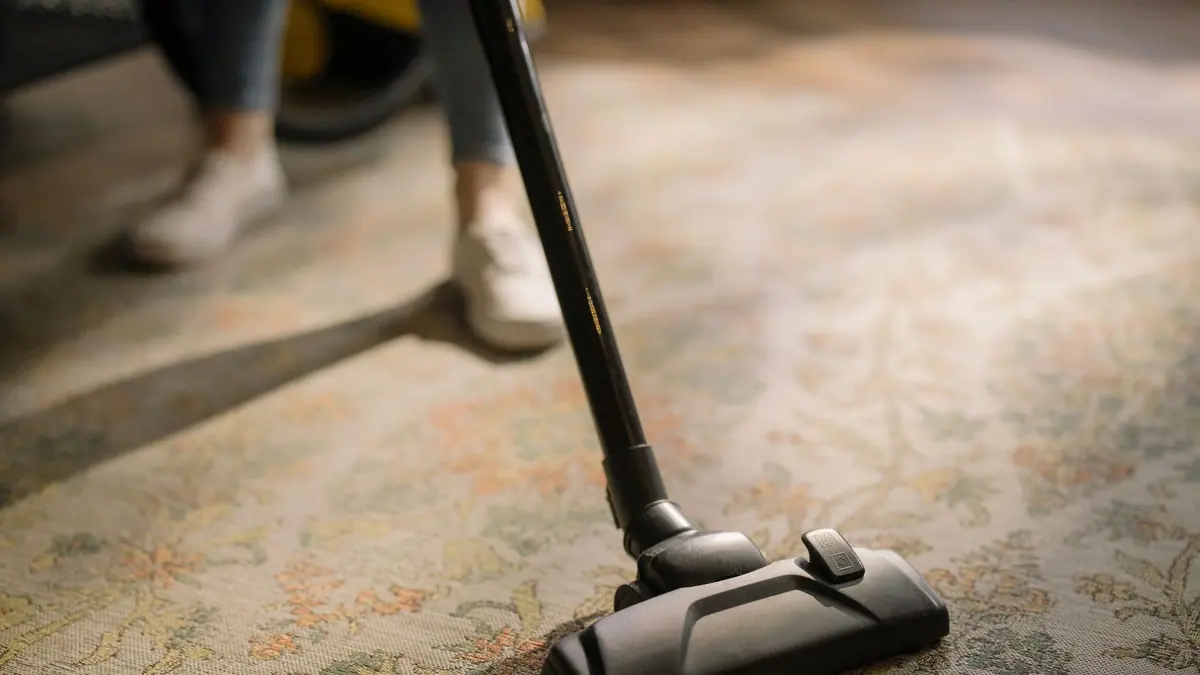
An upright presses a fast brush roll into carpet under the weight of the machine, and you pass it over the same patch several times. A robot glides over a spot once at walking pace, with a lighter head and less downforce. On hard floors that difference barely matters, because dirt sits on the surface. On carpet it matters enormously, because dirt sits below it.
This single fact predicts most owner satisfaction. People with mainly hard floors are delighted by robots. People with deep carpet are not.
Clutter decides whether a robot works at all
A robot needs floor it can reach. Cables, rugs with tassels, chair legs, laundry, pet bowls and children’s toys are all obstacles, and the machine handles them by either avoiding the area or getting stuck in it.
The households that get the most from a robot are the ones that were already tidy. That sounds like a joke and is not: the machine rewards clear floors, so it works best exactly where the need is smallest. In a genuinely cluttered home, the daily tidying required to let it run is more work than vacuuming would have been.
Before buying, walk each room and count the things that would need moving. If the answer is more than a handful, the robot will be run rarely and resented.
Rugs deserve their own warning. A thin rug with a loose edge is the single most reliable way to strand a robot, because the machine climbs the lip, loses traction and beaches itself. Tassels are worse: they wrap around the brush roll and stop it. Some homes solve this with no-go zones drawn in the app, which works, and some solve it by replacing the rug, which is a real cost that should be counted before the purchase rather than discovered after it.
Height matters too, in both directions. A robot has to fit under the furniture you want cleaned beneath, and the shortest models are usually the ones without the tallest sensor towers — so the machine that navigates best is often the one that cannot reach under the sofa. Measure the clearance under your bed and your main seating before choosing, because that measurement decides whether the robot solves the dust problem you actually notice.
Side by side
| Factor | Robot | Upright or cordless stick |
|---|---|---|
| Hard floors | Excellent, and effortless | Excellent, but you have to do it |
| Deep carpet | Surface only | The only real option |
| Pet hair | Copes daily; tangles on long hair | Handles volume, with the right brush head |
| Stairs | Cannot | Yes, with a handheld mode |
| Edges and corners | Weak, by geometry | Good with a crevice tool |
| Effort | Almost none, once set up | All of it |
| Maintenance | Brushes, filters, sensors, and hair removal | Filter and brush roll |
The maintenance row is the one people underestimate. A robot is a machine that runs unattended across every hair on your floor, which means it collects them around its brush and axles. Left alone it degrades quietly, and the owner concludes the vacuum was poor when it was simply never cleaned.
The case for owning both
For a lot of homes the correct answer is not either. A modest robot running daily keeps the surface under control, and a good cordless stick handles the weekly proper clean, the stairs, the edges and the sofa.
Split that way, neither machine has to be expensive, because neither is being asked to do the job it is bad at. A mid-priced robot and a mid-priced stick together frequently outperform a single premium machine of either kind, and the total often costs less. This is the same logic we apply to wired and wireless headphones: two modest tools beating one expensive compromise.
Mapping, docks and the features worth paying for
Among robot features, mapping is the one that genuinely changes the experience. A machine that knows the layout cleans in orderly rows, covers the whole floor, and lets you exclude a room. One without mapping bounces around at random and misses areas unpredictably.
Self-emptying docks are the other feature worth considering, and the calculation is about allergies and volume rather than convenience. If someone in the house reacts to dust, not opening a bin every few days is a real benefit. Otherwise it is a large object that buys you a small saving.
Mopping attachments are the most oversold feature in the category. They damp-wipe a floor, which is useful maintenance and is not mopping. Do not buy a robot expecting it to replace a mop and bucket on a kitchen floor.
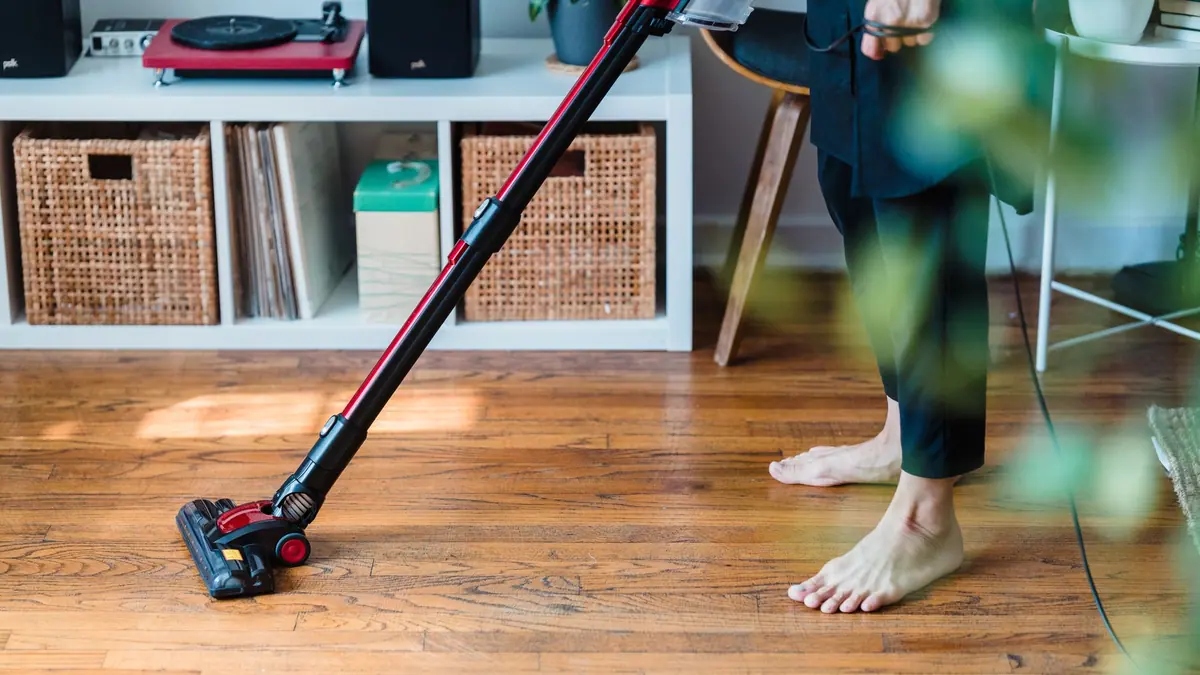
For uprights and sticks the equivalent question is the brush head rather than the motor. A powered head with a rotating roll does the agitation that lifts dirt out of carpet; a plain suction head does not, whatever the machine behind it is rated at. If your home is mostly carpet, the head is the specification that decides the result, and it is the one buried furthest down the page.
What to know before you buy
- Count your carpet. Deep pile means an upright is not optional, whatever else you buy.
- Walk the rooms and count obstacles. More than a handful and a robot will be run rarely.
- Check for stairs. A robot cannot do them, so you need a second machine regardless.
- Choose mapping over suction figures if you buy a robot.
- Plan for hair maintenance if you have pets or long hair. It is the main failure mode.
- Check filter and brush availability before buying. Consumables decide the useful life.
Will a robot vacuum replace my normal one?
On hard floors with little clutter, close to it — most people in that situation reach for the upright far less. On carpet, no. Treat the robot as maintenance between proper cleans rather than as a replacement for them.
Do robot vacuums work in the dark?
Most do, but navigation quality varies with the sensing technology. Machines that rely on cameras can struggle in poor light; those using laser distance sensors are unaffected. If you want it running overnight, that difference matters more than any cleaning specification.
Are cheap robot vacuums worth it?
The budget tier is where the compromise usually falls on navigation rather than suction, which produces a machine that cleans adequately but covers the floor unreliably. If a robot is the only vacuum you plan to own, that is a poor trade. If it is maintenance alongside a proper vacuum, it is a reasonable one — much like the argument in buy it for life versus replace it twice.
Decide by asking which problem you have. If your floors are basically clean and you resent keeping them that way, buy the robot. If your floors need actual cleaning, buy the upright. If both are true, buy two modest machines rather than one expensive one, and let each do the job it is good at.